What to do after a break-in: a calm checklist
Come home to a forced door? A step-by-step for the first hours after a burglary — staying safe, reporting it, securing the property and dealing with insurance.
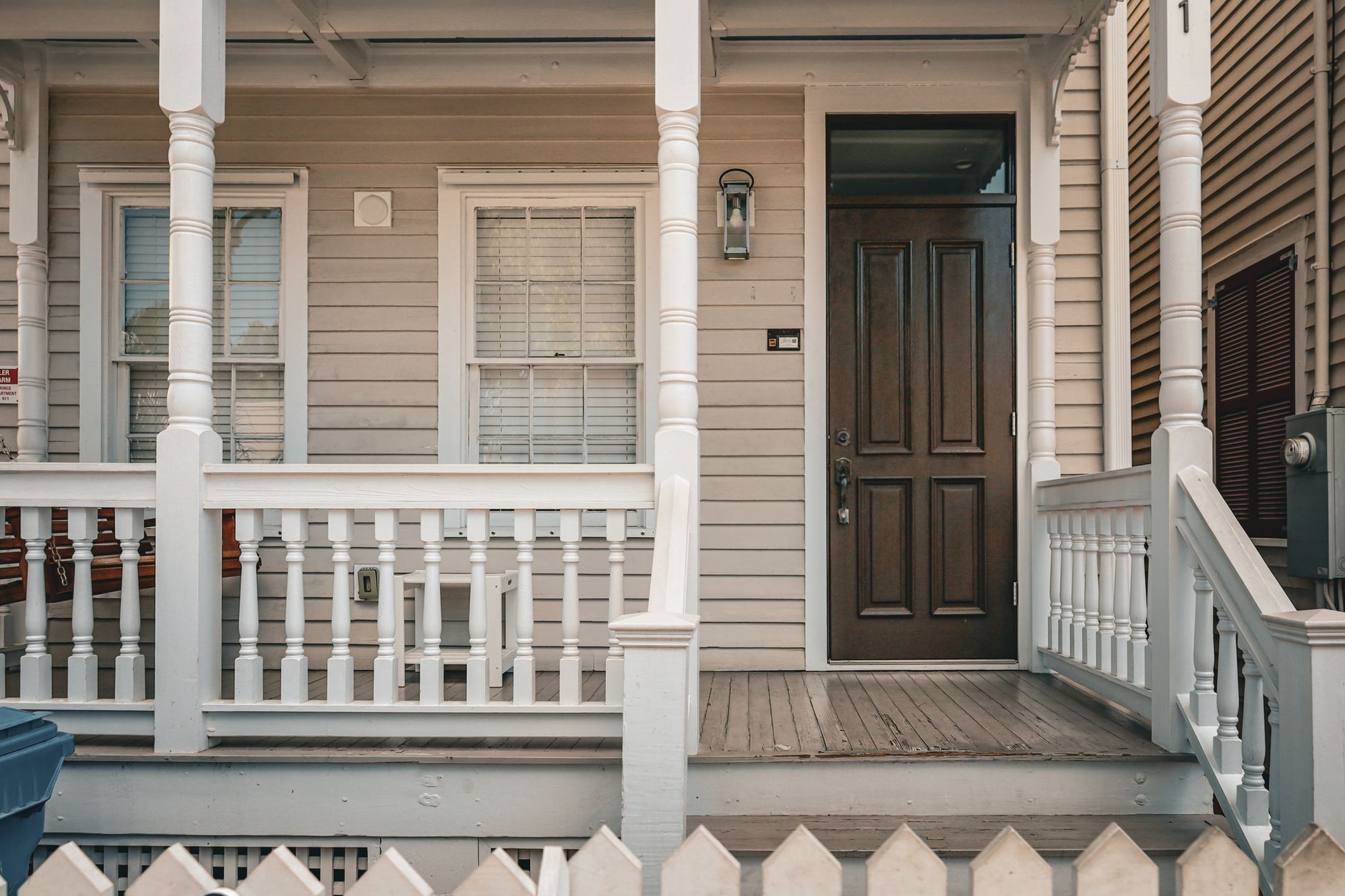
Coming home to a door that isn't how you left it is one of the worst feelings there is. Your house doesn't feel like yours for a while. That's normal, and it passes. What follows is a calm order to work through, because the first hour matters and it's hard to think straight.
The gist
If the door or a window is clearly forced, don't go in — the intruder might still be there. Get somewhere safe and call the police: 999 if it's happening now or anyone's at risk, 101 or online if it's already over. Get a crime reference number. Then get the property secured — a locksmith can do that the same night — and photograph the damage before anything is repaired for your insurer.
The first few minutes
- Don't enter a property that's obviously been broken into. Stand back, ideally at a neighbour's or in your car.
- Call the police. 999 if the burglary is in progress, someone is still inside, or anyone is hurt or threatened. Otherwise 101 or your force's online report.
- Don't tidy up or touch surfaces. Forced frames, tools left behind, disturbed drawers — all of it can help the investigation. Wait for advice on what you can move.
- If you must go in for a real reason — a pet, medication, a vulnerable person — be quick, touch as little as possible, and tell the police you did.
- Make a rough list of what's obviously gone. It'll change as you notice more over the next few days; that's fine.
Reporting it
You'll be given a crime reference number. Write it down and keep it with your phone. You'll need it for:
- Your insurance claim.
- Reporting stolen cards, phones and documents to the bank and to Action Fraud if your identity details were taken.
- DVLA and your car insurer if car keys or the logbook went.
If bank cards or house keys were stolen, treat the keys as compromised — the locks they open need changing, not just checking.
Making the property secure
This is the part a locksmith handles, and it doesn't wait for daylight:
- Damaged locks replaced — often with anti-snap cylinders or BS 3621 deadlocks, closing the gap that was used.
- Door and frame realigned so the door actually closes and locks again. Forced doors usually spring the frame and tear out the keeps.
- Smashed glass or panels boarded until a glazier can replace them properly.
- Every lock a burglar had access to changed for peace of mind, even the undamaged ones on that door.
An emergency locksmith can be with you any hour for exactly this. Ask for the likely price before they set off, and keep the invoice.
The insurance side
- Photograph everything — the forced door, the frame, broken glass, disturbed rooms — before any repair.
- Keep all receipts and invoices, including the locksmith's.
- Call your insurer's claims line early. Most home policies include emergency assistance and will either send someone or reimburse a locksmith up to a limit.
- Don't throw out damaged items until the claim is agreed; the insurer may want to see them.
- Check whether your policy needed a specific lock standard — like BS 3621 — and get replacements fitted to it.
Feeling safe in the house again
The practical stuff helps the mind catch up:
- Fix the actual weak point. Most break-ins use an unlocked door or window, a snappable cylinder, or a door with no deadbolt. Sort that one thing first.
- Free security check. Many neighbourhood policing teams and Neighbourhood Watch will walk round your home and point out the gaps at no cost.
- Lighting and habits. A dusk-to-dawn light by the door, curtains closed after dark, keys kept away from the letterbox — small changes, real difference.
- Give it time. The unsettled feeling fades. A house that's been made properly secure again helps it fade faster.
If you've had a break-in anywhere in Bedfordshire and need the property secured tonight, call 07362 773424.
Frequently asked
- Should I go inside if I think I've been burgled?
- No. If a door or window has clearly been forced, don't go in and don't touch anything. The intruder could still be inside, and you could disturb evidence. Wait somewhere safe and call the police.
- Do I call 999 or 101 after a burglary?
- Call 999 if it's happening now, someone's still there, or anyone's hurt or in danger. Call 101 (or report online) if it's already happened and there's no immediate risk. Either way you'll get a crime reference number — write it down, your insurer will ask for it.
- Can I get the locks changed the same night?
- Yes. An emergency locksmith can secure a forced door out of hours — new locks, the frame and door pulled back into line, and anything smashed boarded until it's replaced. Securing the property is the priority job, not something that has to wait for morning.
- Will my insurance pay for a locksmith after a break-in?
- Most home insurance policies cover emergency securing and replacement of damaged locks after a burglary, often up to a set limit. Keep every invoice and the crime reference number, and photograph the damage before it's repaired.
- Which locks should I change after a burglary?
- Any lock that was forced or damaged, and any that a burglar had time and access to. Locks on doors and windows that weren't touched are usually fine. A locksmith can tell you which is which rather than replacing everything.
- How do I make the house more secure afterwards?
- Fix the weak point that was used first — usually an unlocked door or window, a snappable cylinder, or a door with no deadlock. Anti-snap cylinders, BS 3621 deadlocks, better window locks and outside lighting all help. Your local neighbourhood policing team can often do a free security check.
Locked out, or a lock playing up?
Call Gabriel direct. Send a photo of the lock and you will get the likely price on the phone before anyone drives out. No call centre, any hour.