Key won't turn in the door lock? Causes and fixes
Your key goes in but won't turn, or turns stiffly. The common causes and what to try yourself before you call a locksmith.
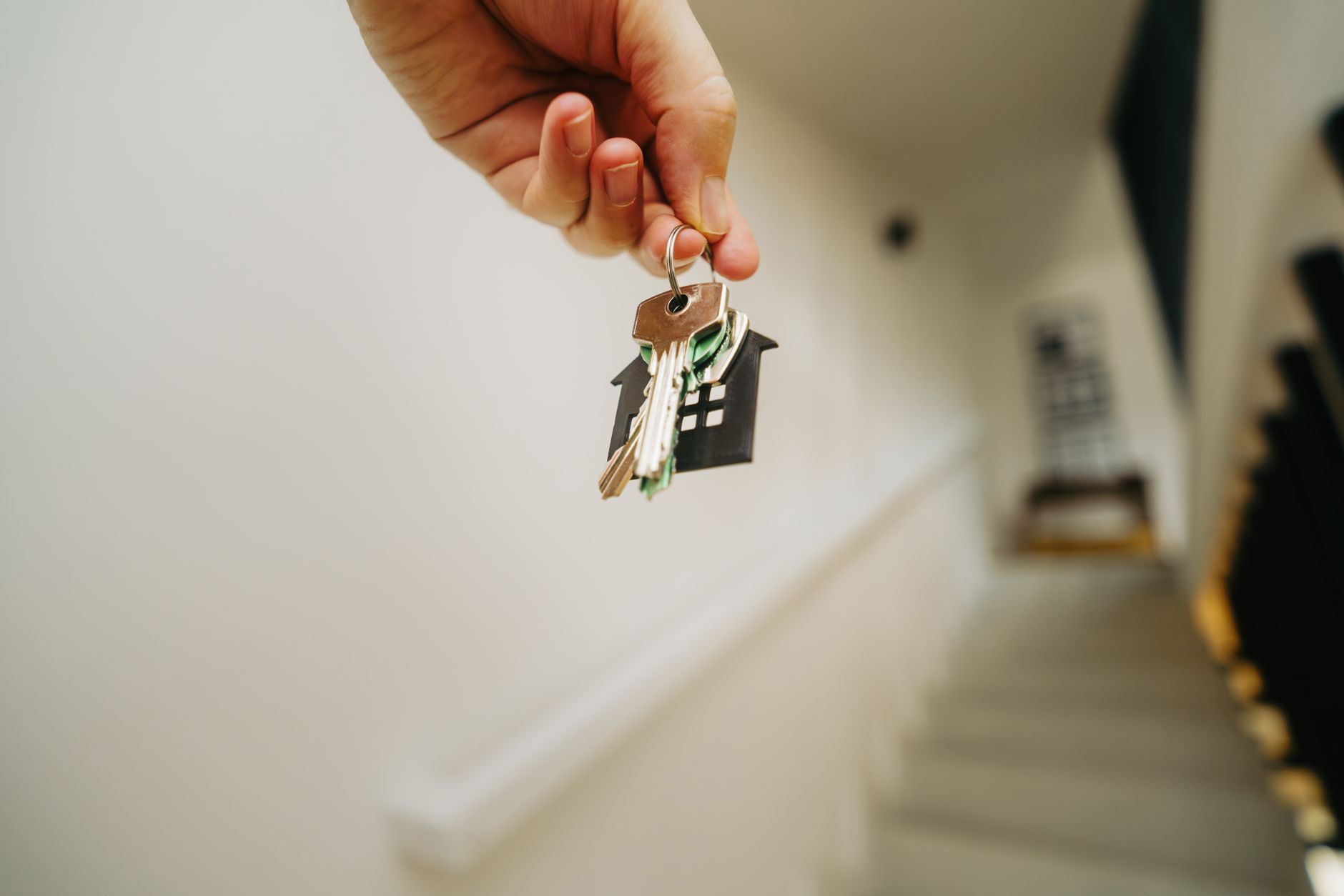
The key slides in like normal. Then you go to turn it and it stops — or it grinds round in stages, worse than last week. A key that won't turn is the lock telling you something is wrong, and if you keep forcing it, the next thing that happens is the key snaps off inside.
The gist
A key that won't turn is usually a dry, gummed-up lock, a door that's dropped so the bolt is binding, or a worn cylinder on its way out. Try lubricating with a dry spray, and try lifting or leaning on the door as you turn. If it's still not turning under normal pressure, stop forcing it — call someone before it becomes a snapped key or a lockout.
The usual causes
- The lock is dry. Locks need a dry lubricant film inside. Over years it wears away, dust gets in, and the pins drag. This is the most common cause and the easiest fix.
- The door has dropped or swollen. Wooden doors swell in damp weather; every door sags on its hinges over time. When the bolt no longer lines up with the keep, the key has to fight the frame to throw it.
- The cylinder is worn. Springs weaken, pins wear, and eventually the lock won't reliably pick up the key. This one doesn't get better with lubricant.
- Something's in the keyway. A bent key, debris, or a previous repair leaving a burr.
- Wrong key, tired brain. It happens. Check you're not trying the back-door key on the front.
Quick things to try
- Check the key. Bent, worn thin, or visibly different from your spare? Try the spare. If the spare turns and the usual one doesn't, cut a fresh copy from the spare.
- Lubricate. A puff of powdered graphite or a dry PTFE spray into the keyway. Work the key gently in and out a dozen times, quarter-turning each way. Do not use oil or WD-40 as the lubricant.
- Take the load off the door. Lift the door by the handle, or push it firmly shut, or pull it towards the hinges, while you turn the key with light pressure. If it suddenly turns, the problem is alignment, not the lock.
- Try from both sides. If it turns from inside but not outside, that points at the external part of the cylinder or the key.
- Stop if it's not turning under normal pressure. Forcing it is how you end up reading the snapped-key article.
The cold-weather version
If the lock only plays up when it's cold, the metal has contracted and any existing stiffness gets worse. A frozen lock — actual ice inside — should be warmed, not forced: a warm key held to it, or a hand-warmer against the cylinder. Never pour hot water on an external lock in winter; it refreezes and splits things. Once it's working, that lock has told you it needs lubricating and probably servicing before next winter.
When it's the cylinder
You're likely looking at a new cylinder if:
- Lubricant made no difference and the door alignment is fine.
- The key turns roughly, in steps, or catches at the same point every time.
- The lock sometimes won't pick up the key at all and you have to jiggle it.
- The cylinder is old and matches the age of the house.
Swapping a euro cylinder is a quick job and a good moment to move up to an anti-snap, anti-drill one if yours is a basic model.
When to call someone
- The key won't turn under normal pressure after lubricating and checking alignment.
- The key turns but the bolt won't clear the frame and you can't correct the alignment yourself.
- The lock is seizing intermittently and you're worried about being locked out or in.
- You're already half-forcing it every day — get ahead of the snap.
A stiff lock is a small job. A snapped key or a 1am lockout is not. If you're in Bedfordshire, it's worth sorting while it's still just annoying — call 07362 773424.
Frequently asked
- Why does my key go in but not turn?
- Three common reasons: the lock is dry and gummed up inside, the door has dropped so the bolt is jammed against the frame, or a pin or spring in the cylinder has failed. The first two are usually a straightforward fix. The third means a new cylinder.
- What lubricant should I use on a stiff lock?
- A dry PTFE spray or powdered graphite. Both leave a dry film that doesn't attract grit. Avoid general oil and avoid WD-40 as a lubricant — it flushes out what's there and dries sticky, so the lock is worse in a few weeks.
- My key turns but the door still won't open — what's that?
- The cylinder is doing its job but the bolt or latch isn't clearing the keep. That's almost always alignment — the door has dropped or swollen. Lift the door slightly by the handle, or pull it towards the hinges as you turn, and see if it frees.
- The key only turns if I lift or push the door. Is that bad?
- It means the door is out of line and the mechanism is under strain every time you lock it. It still works, but that strain is what wears gearboxes out and snaps keys. Worth getting the alignment corrected before it fails properly.
- Should I force the key if it's nearly turning?
- No. A key that needs forcing is a key about to snap, and a snapped key in the lock is a bigger job than the stiffness you started with. If it won't turn with normal pressure, stop and diagnose it.
- Is a stiff lock an emergency?
- Not yet — but it's a countdown. A lock that's getting harder to turn tends to fail completely on the coldest night of the year. Dealing with it while it's just annoying is a lot cheaper than dealing with it as a lockout.
Locked out, or a lock playing up?
Call Gabriel direct. Send a photo of the lock and you will get the likely price on the phone before anyone drives out. No call centre, any hour.